










Materials we offer
Your ultimate resource for selecting the right material. Explore properties, applications, and CNC machining tips for metals (aluminum, steel, titanium) and plastics (PEEK, Delrin, Nylon). Compare materials and get a expert quote.


Your ultimate resource for selecting the right material. Explore properties, applications, and CNC machining tips for metals (aluminum, steel, titanium) and plastics (PEEK, Delrin, Nylon). Compare materials and get a expert quote.
We can generate instant machining quotes for 50+ metals and plastics.
Aluminum is a lightweight and highly versatile material that is widely used in various industries. It offers a unique combination of properties including high strength-to-weight ratio, excellent corrosion resistance, malleability, and good thermal and electrical conductivity. These characteristics make aluminum an ideal choice for applications where weight reduction, durability, and efficient heat transfer are important factors, like engine blocks, heat exchangers, and other transportation components.
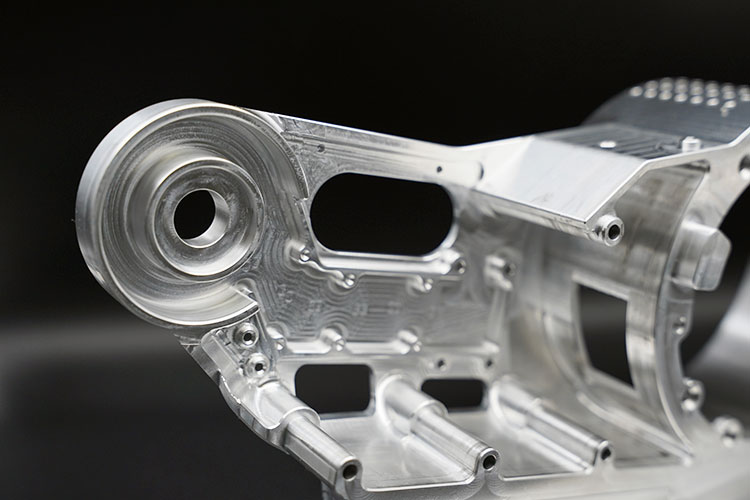
Stainless Steel is a popular and highly versatile material known for its exceptional strength, and durability, along with high temperature, and corrosion resistance. It is widely used in industries such as construction, automotive, aerospace, and manufacturing, with applications ranging from heat exchangers, industrial ovens, exhaust systems, construction equipment, heavy machinery, engine components, fasteners, turbine blades, tanks, pumps, valves, orthopedic implants, and medical equipment.
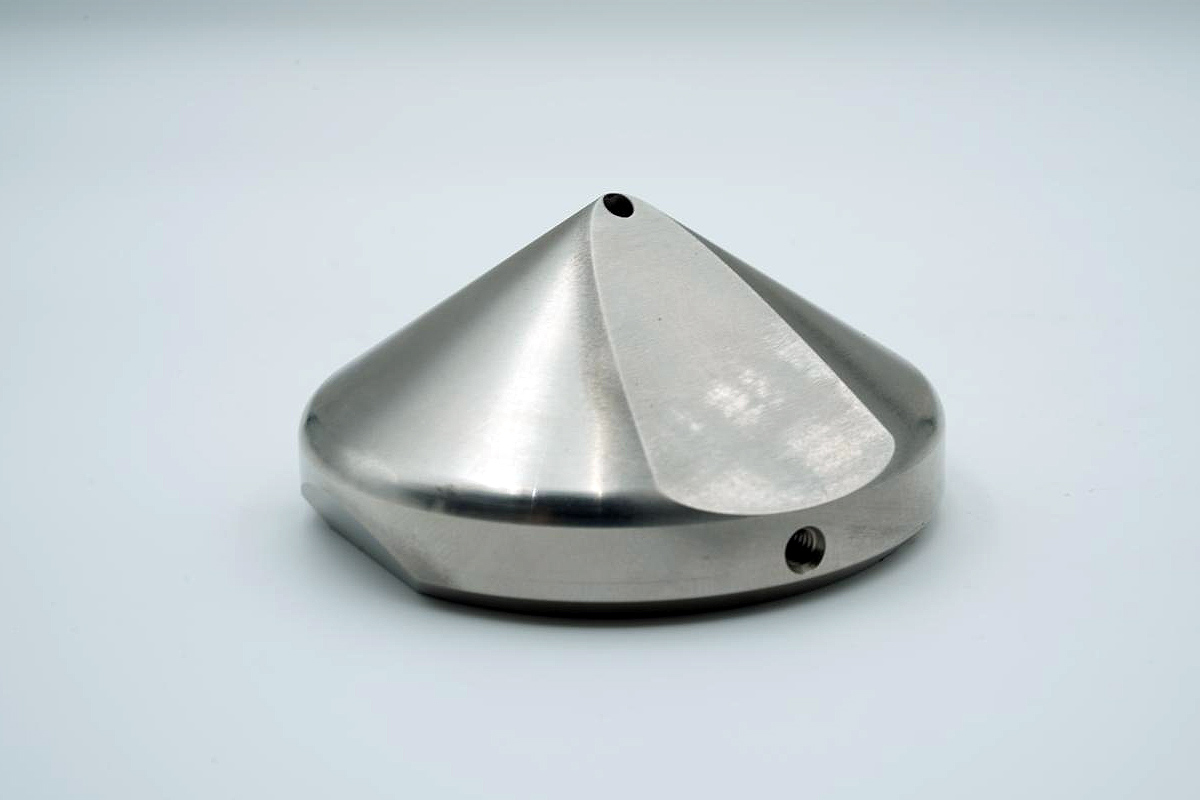
Sunnyhowe offers a wide range of steel options to meet the demands of various applications. Alloy and carbon steel are particularly useful for creating fixtures, mounting plates, draft shafts, axles, torsion bars, gears, bolts, studs, shafts, and structural components. High-quality steel materials provide excellent strength and durability, making them ideal for demanding industrial applications.
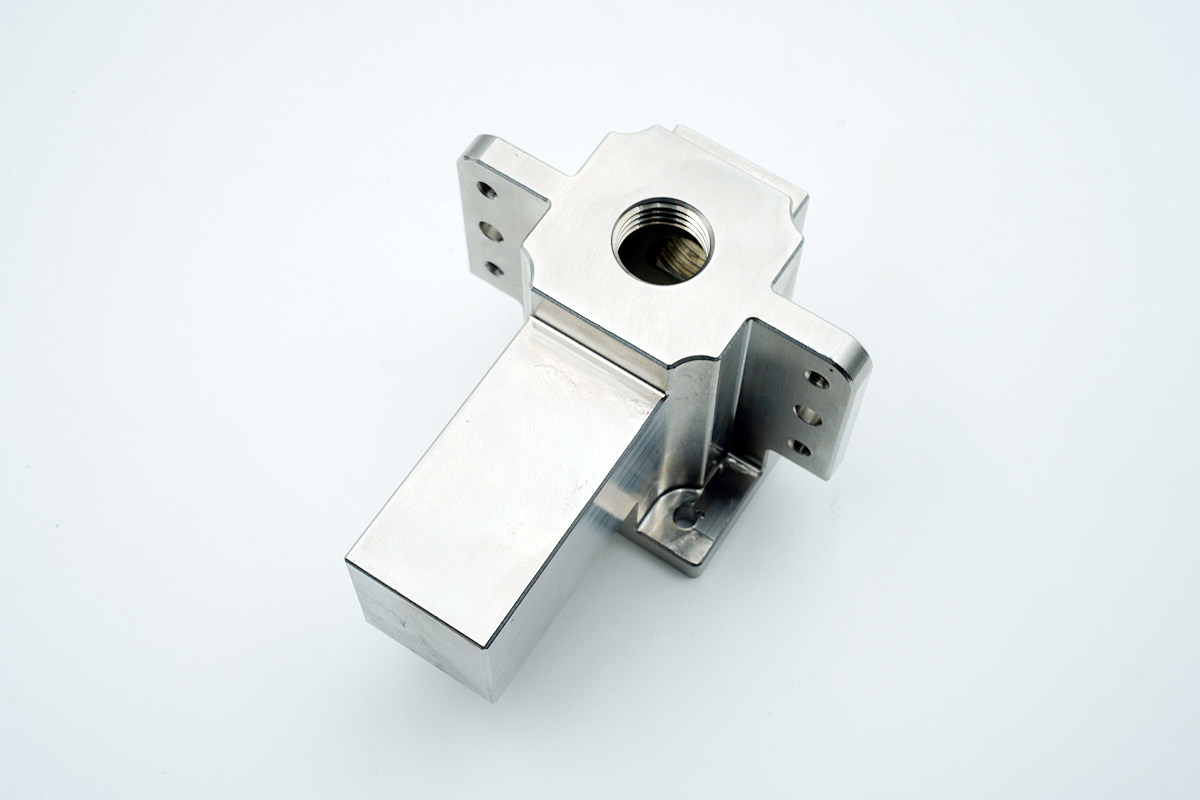
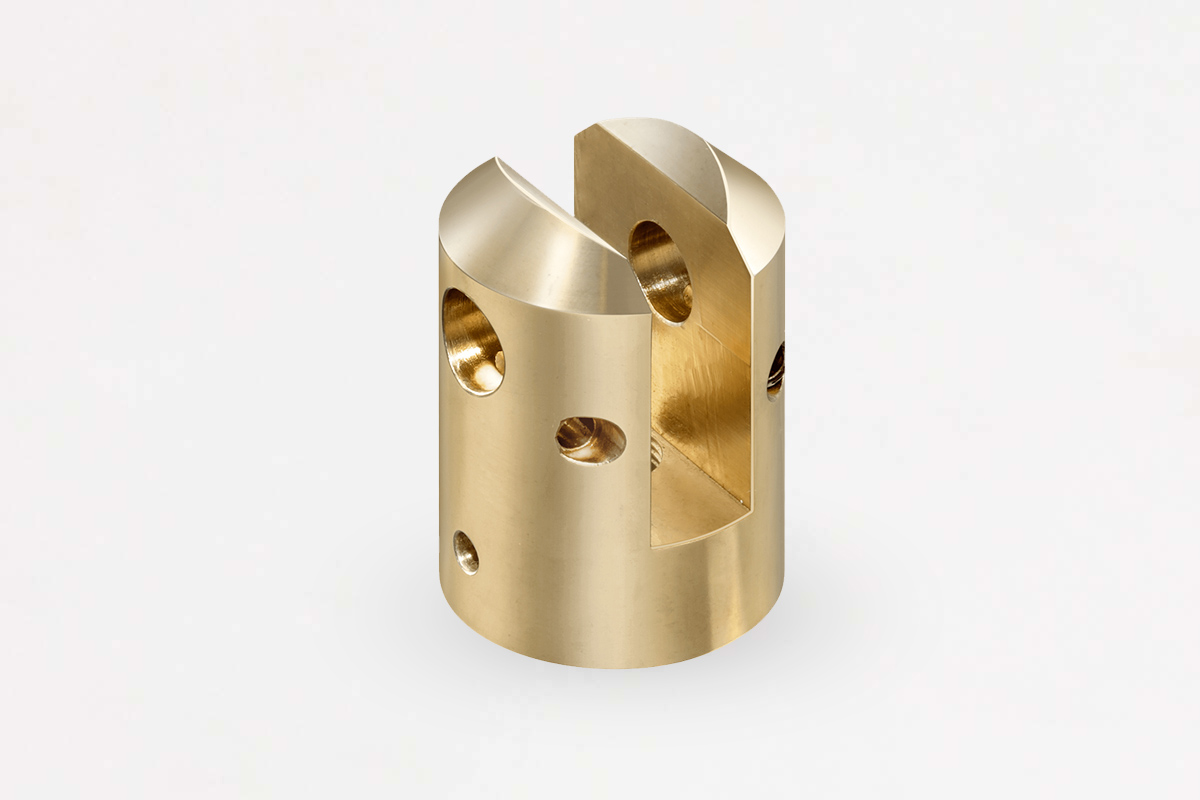
360 Brass (free-machining brass) is a versatile material for various industries. Common applications include gears, lock components, pipe fittings, and decorative parts. It has excellent machinability and can be easily fabricated into different shapes and sizes. It boasts high corrosion resistance and good electrical conductivity, making it an ideal choice for electrical components and marine applications.
Copper 101 and 110 have unmatched thermal and electrical conductivity, which makes them a popular choice for bus bars, wire connectors, and other electrical applications like parts for power transmission and distribution systems. Copper alloys 101 and 110 also offer incredible durability, corrosion resistance, and ease of fabrication. Commonly used in high-performance electrical components such as transformers, generators, motors, and switchgear.
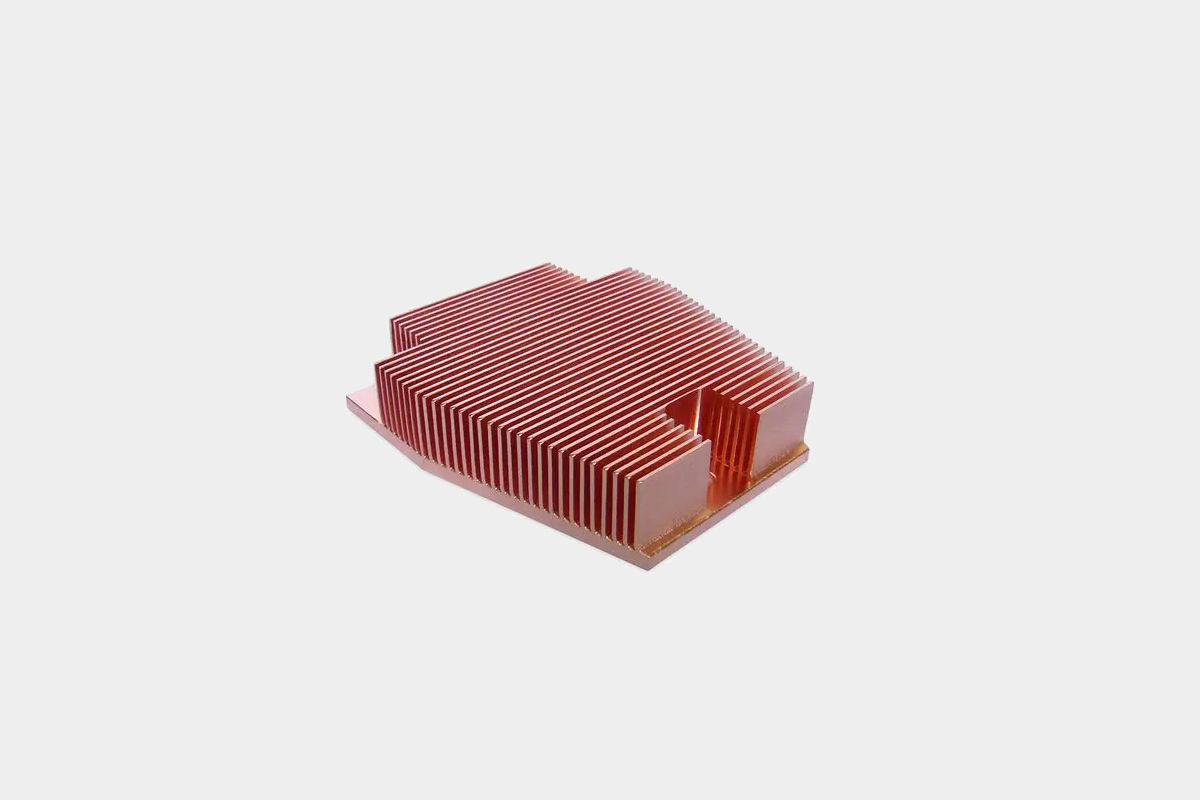
Inconel is a family of nickel-chromium-based superalloys renowned for their exceptional resistance to extreme environments, including high temperatures, corrosion, and oxidation. These alloys maintain their strength and structural integrity under severe stress, making them ideal for aerospace, chemical processing, and power generation applications. Inconel is particularly valued in jet engines, gas turbines, and nuclear reactors where performance under heat and pressure is critical.
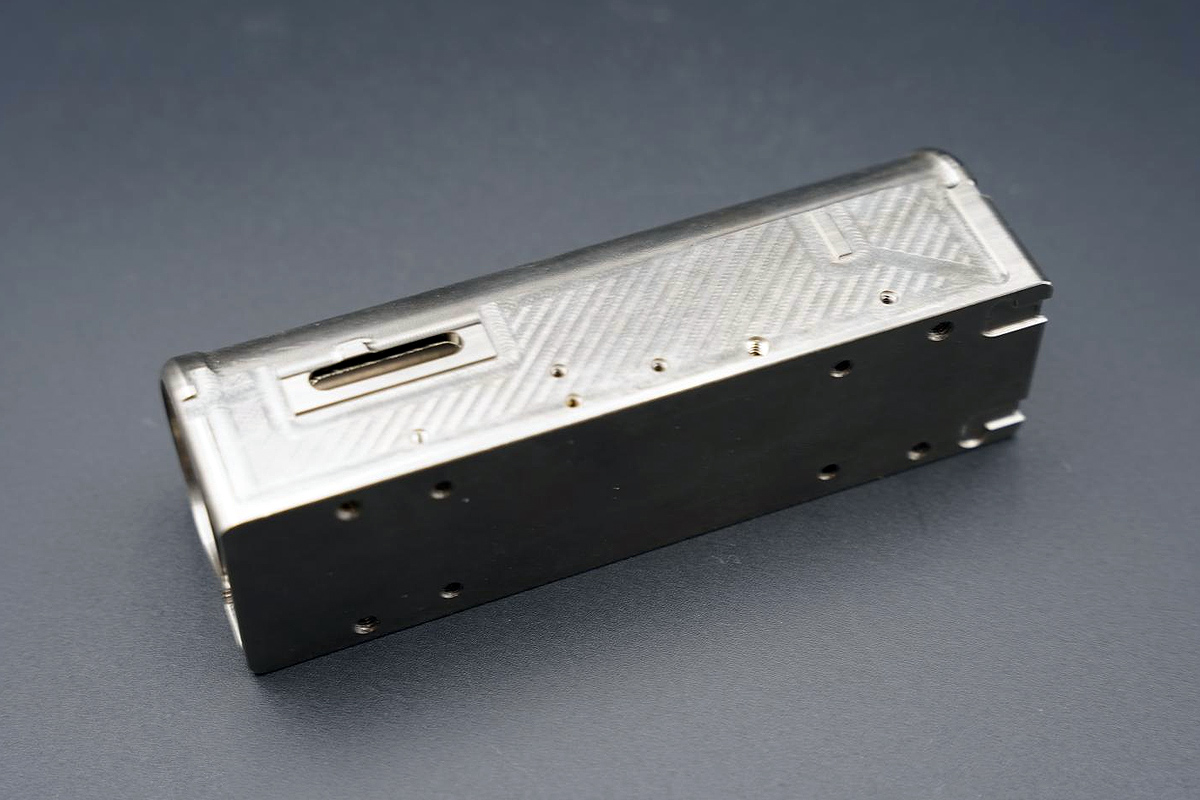
Invar is a Ni-Fe alloy with high dimensional accuracy and excellent thermal dimensional stability. It is commonly used in industries such as aerospace, electronics, and precision engineering. Common applications include precision instruments and devices where temperature-dimensional changes are undesirable. It is ideal for components such as clock pendulums, bi-metallic strips, and measuring instruments. In the aerospace industry, Invar is used in satellite structures, antennas, and optical systems.
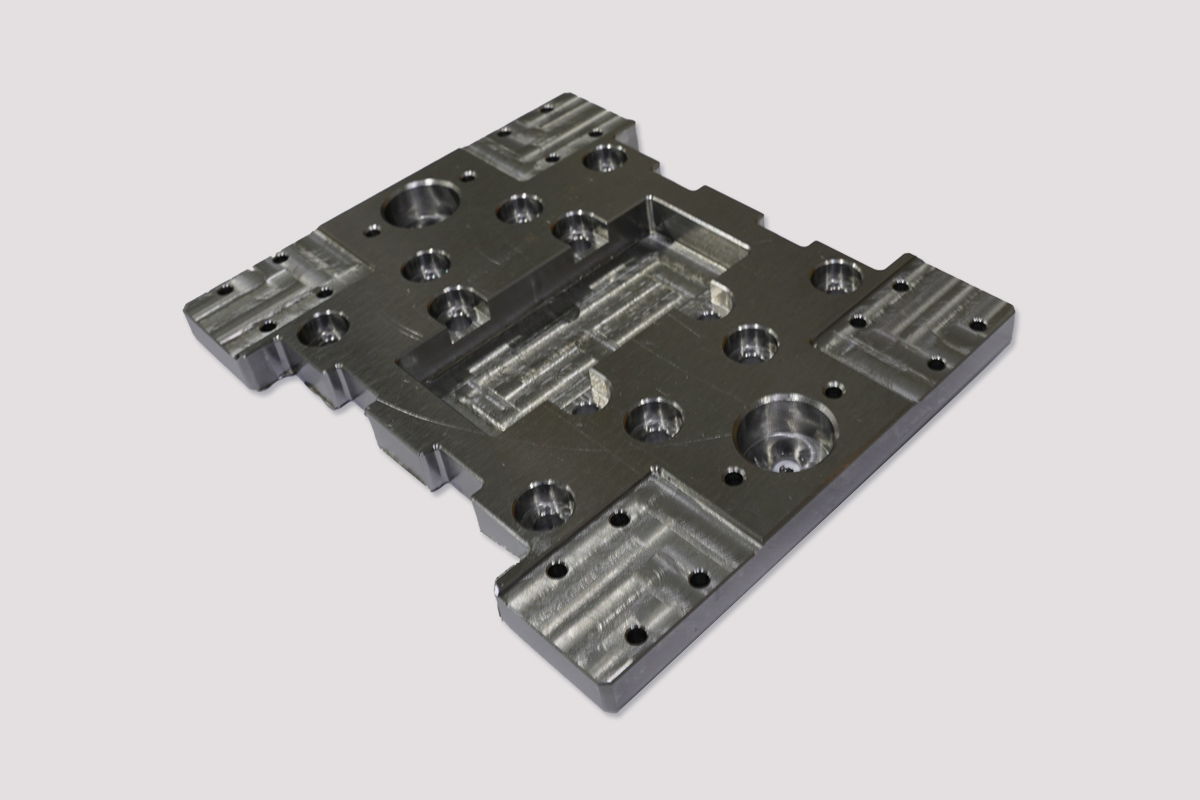
Mild steel, also known as low-carbon steel, is a durable and versatile material commonly used across various industries. It is characterized by its high strength, ductility, and weldability, making it suitable for a wide range of structural and mechanical applications. Mild steel's affordability and ease of fabrication make it a popular choice for projects requiring robust performance without excessive weight, such as construction frameworks, automotive chassis, and machinery components.
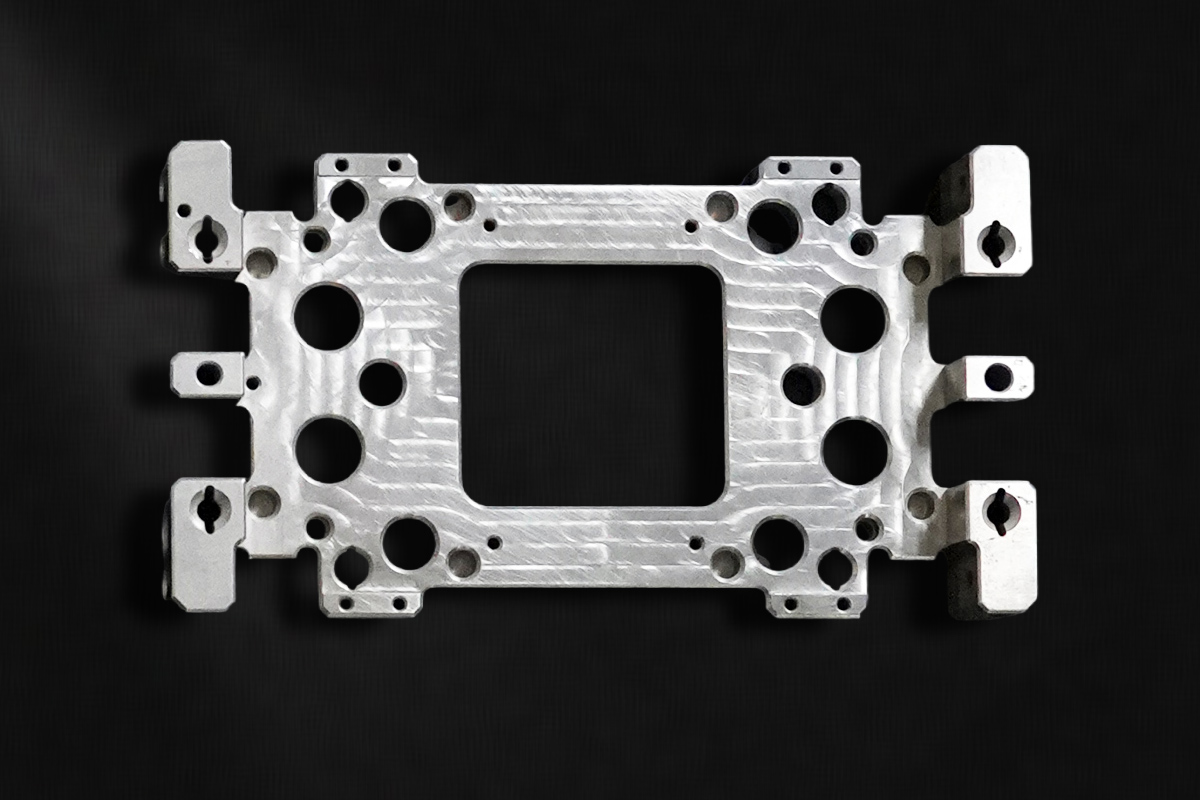
A2 Tool Steel has excellent wear resistance and toughness, commonly used to make fixtures, tools, tool holders, gauges, and punches.
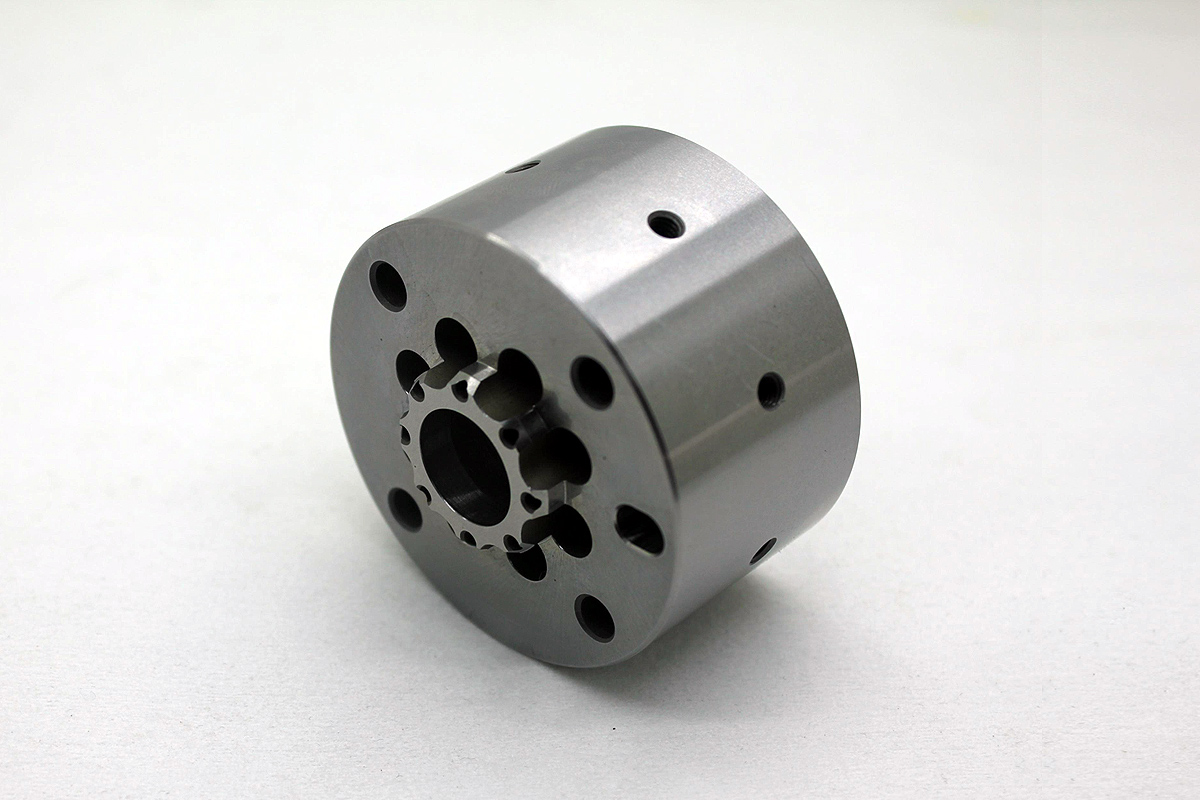
Titanium is lightweight, strong, biocompatible, and highly resistant to corrosion. It has a high strength-to-weight ratio and excellent temperature resistance. It is commonly used in industries such as aerospace and medical devices. It’s also used for parts like engine components, landing gear, structural elements, medical implants, and prosthetics. Other common use cases include aerospace fasteners, turbine blades, sports equipment, and marine applications.
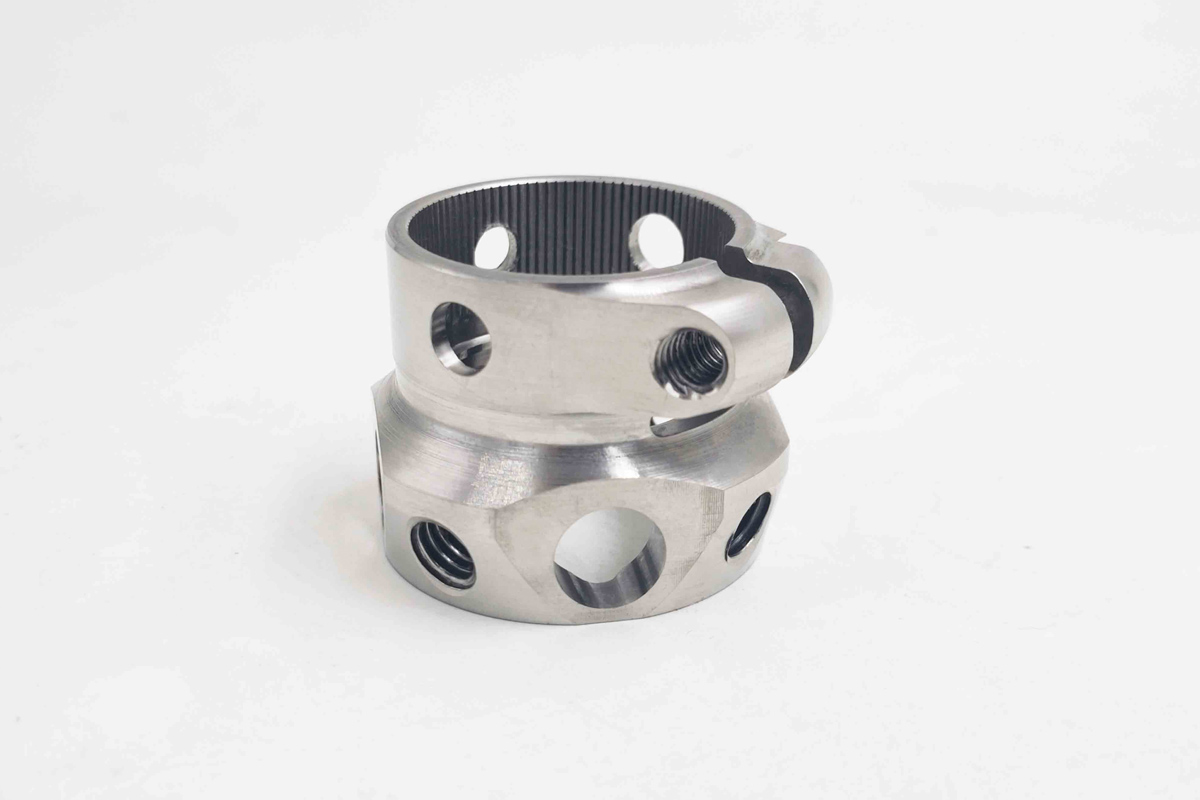
PEEK, (polyether ether ketone) is a thermoplastic widely used in industries such as aerospace, automotive, and electronics. PEEK has high strength, stiffness, toughness, chemical, biocompatibility, and thermal resistance. Due to its , PEEK is also suitable for use in harsh environments where other materials may fail. Common applications include aircraft structures, electronic components that require high temperature resistance, and medical and dental components (including implantables).
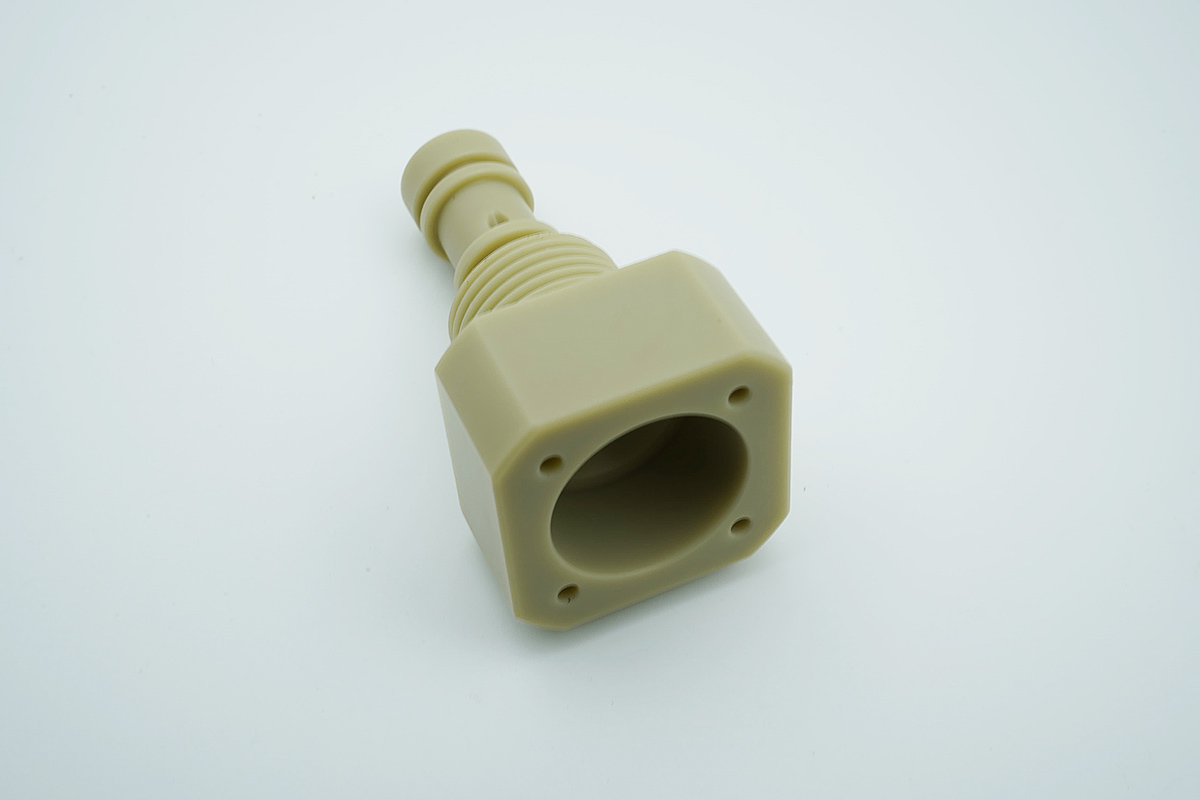
PTFE (Teflon™, polytetrafluoroethylene) has low friction nonstick properties, excellent chemical resistance, high temperature resistance, and electrical insulating properties. It is commonly utilized in low-friction applications such as bearings, seals, gaskets, bearing, and washers. It is also good for parts that require insulating properties.
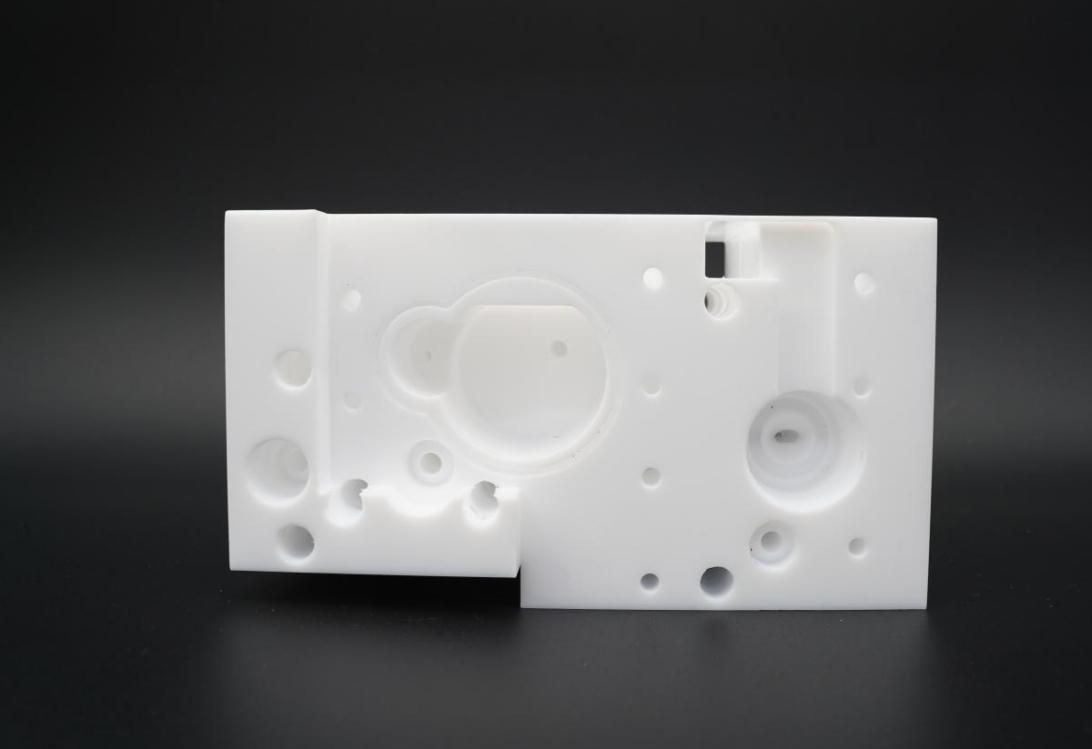
Delrin (acetal) is a plastic with low friction and high stiffness. Delrin has exceptional dimensional accuracy, making it an ideal choice for applications where precision is critical. It also has relatively high toughness which makes it resistant to impact and wear. Delrin’s minimal elongation means it can maintain its shape under stress without significant deformation. Delrin is commonly used in a variety of industries such as automotive, aerospace, and consumer goods.
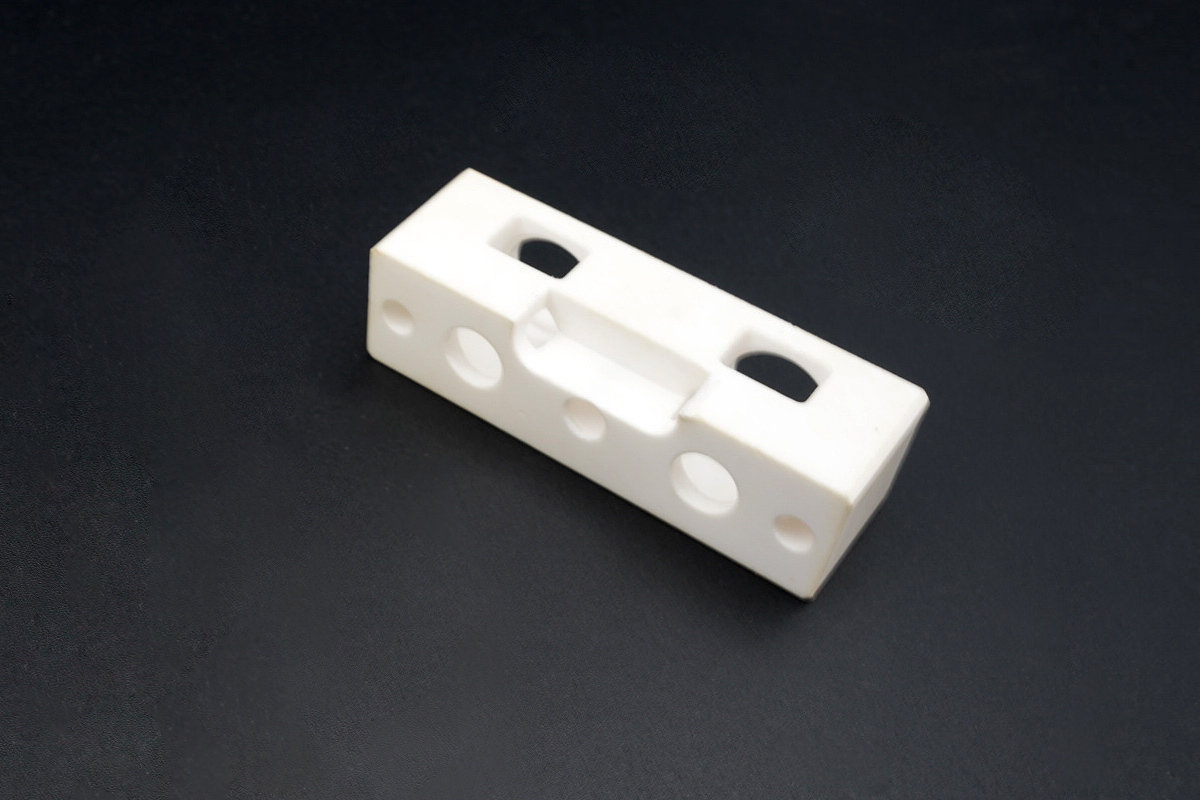
Acrylic is a durable plastic material that is resistant to scratches, making it an ideal choice for various applications such as tanks, panels, and optical displays. It is also lightweight and shatter-resistant, which makes it a popular alternative to glass. Acrylic is known for its clarity and transparency, making it a great option for applications where optical performance is important. Additionally, it can be easily fabricated into different shapes and sizes, allowing for a wide range of design possibilities.
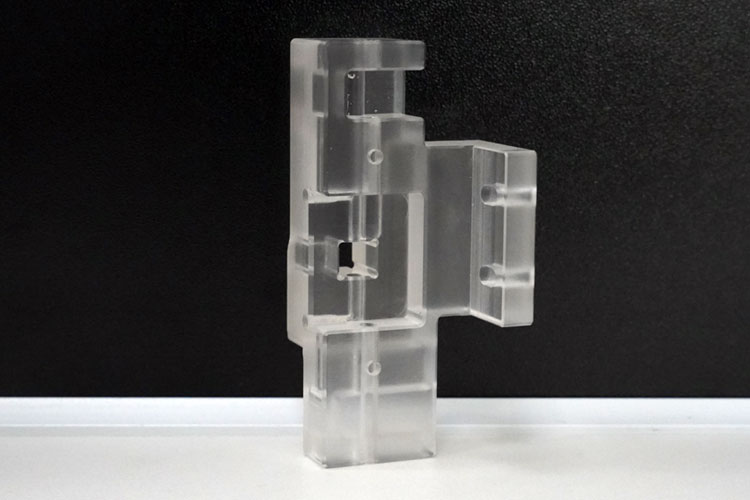
Nylon is thermoplastic with high strength, wear resistance, excellent sound/vibration dampening, and low friction coefficient. It is commonly used in engineering and manufacturing processes. Common applications include gears, bearings, and bushings. Two of the most notable use cases for Nylon are in medical devices and electronics insulation, notably screws and spacers for panel mounted circuit boards.
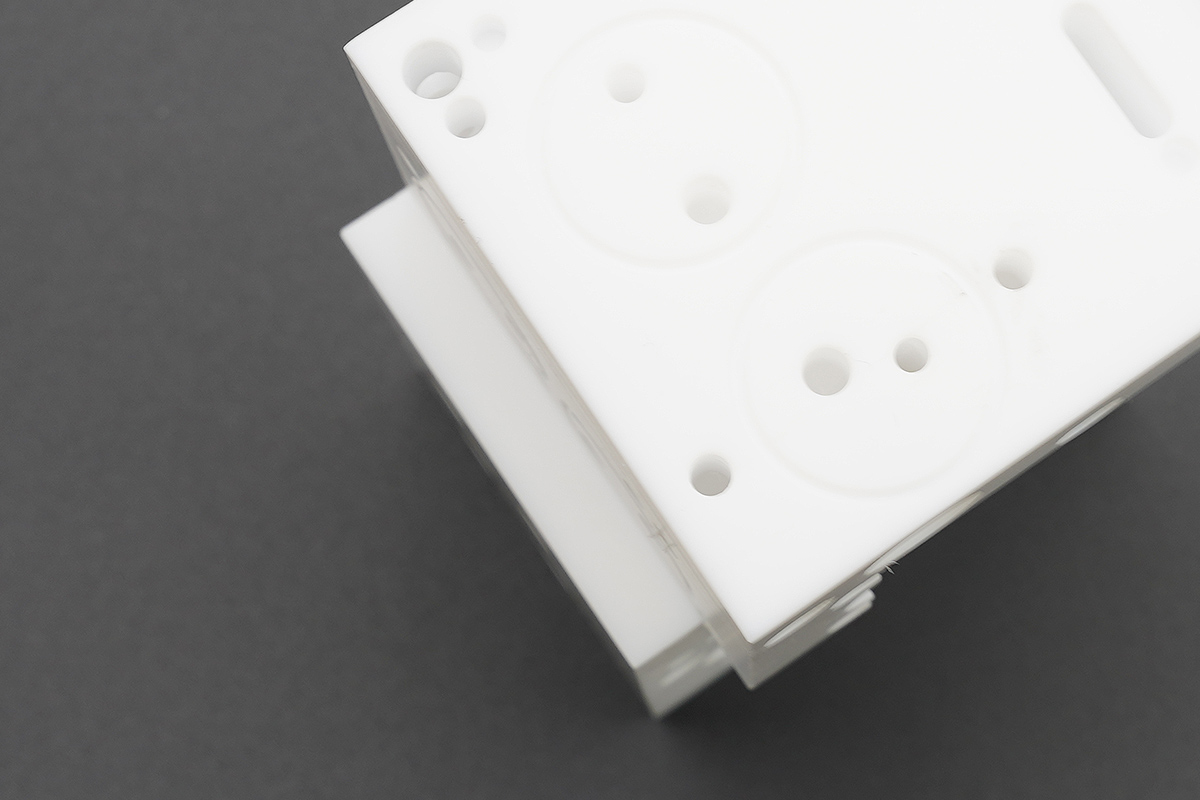
ABS (Acrylonitrile Butadiene Styrene) is an affordable thermoplastic that has become popular for pre-injection molding prototypes. It is a versatile material known for its strength, durability, and resistance to impact and heat. ABS plastic is widely used in the automotive and consumer electronics industries due to its excellent mechanical properties and ease of processing. Additionally, it can be easily modified with other additives to enhance specific properties such as flame retardancy or UV resistance.
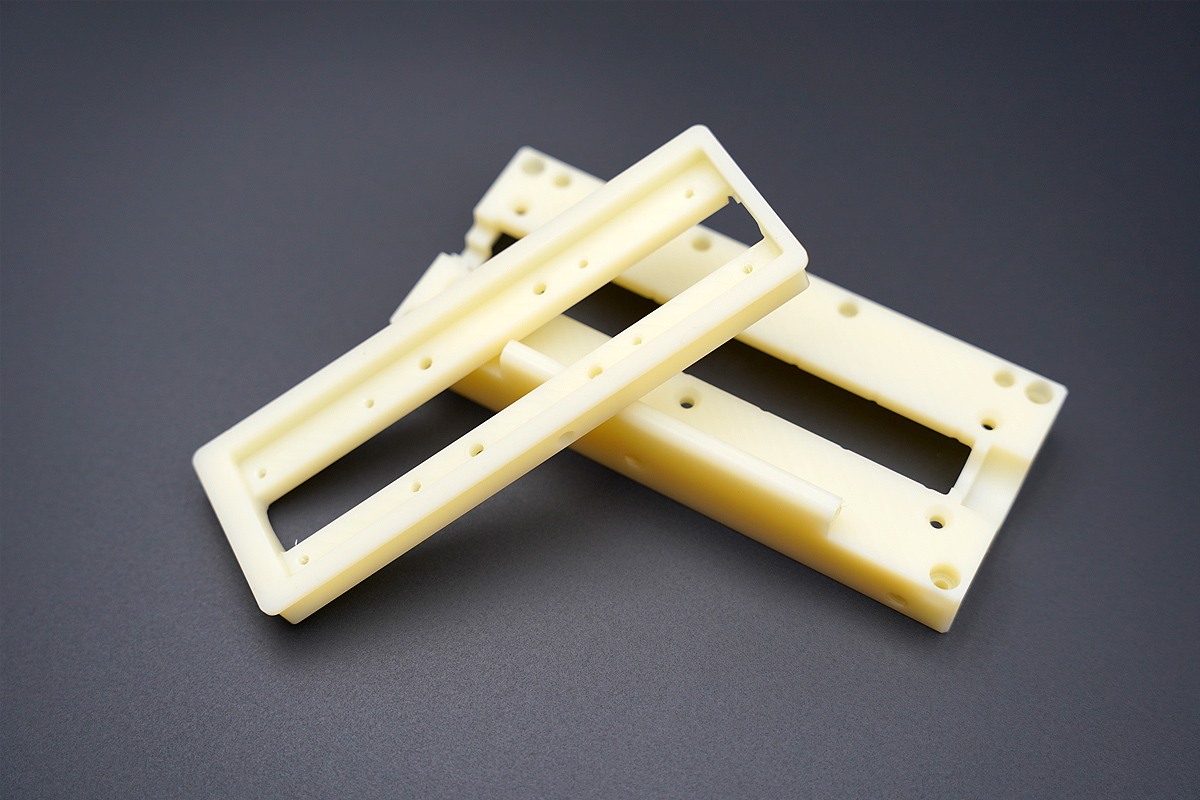
PPS is a high-performance engineering thermoplastic known for its exceptional thermal stability, chemical resistance, and mechanical strength. It exhibits excellent resistance to heat, flame, and harsh chemicals, making it ideal for demanding applications in automotive, electrical, and industrial sectors. PPS retains its properties at elevated temperatures and is often used in components like electrical connectors, pump parts, and aerospace fittings where durability and reliability are critical.
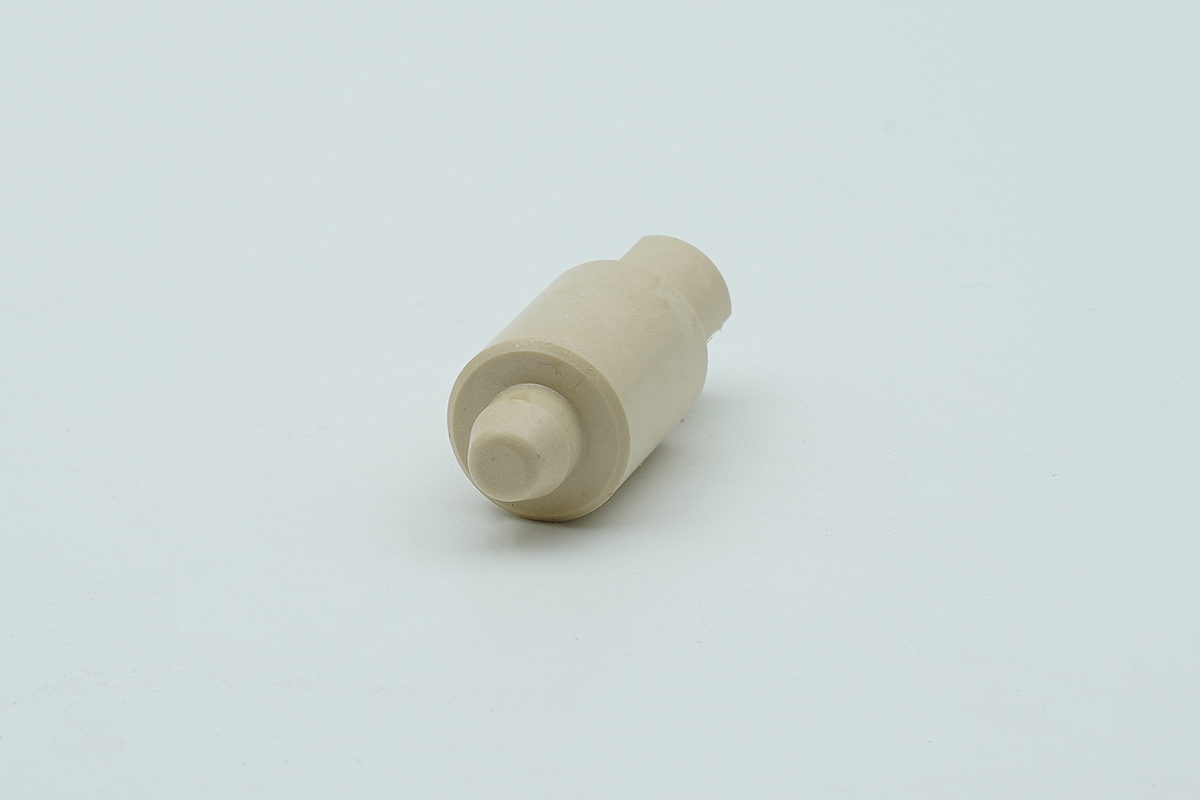
PAI is an ultra-high-performance thermoplastic renowned for its exceptional thermal stability, mechanical strength, and chemical resistance. With a continuous service temperature of up to 250°C (482°F) and outstanding wear resistance, PAI is ideal for demanding applications in aerospace, automotive, and industrial sectors. Its unique combination of properties makes it suitable for high-stress components such as bearings, seals, and electrical insulators in extreme environments.
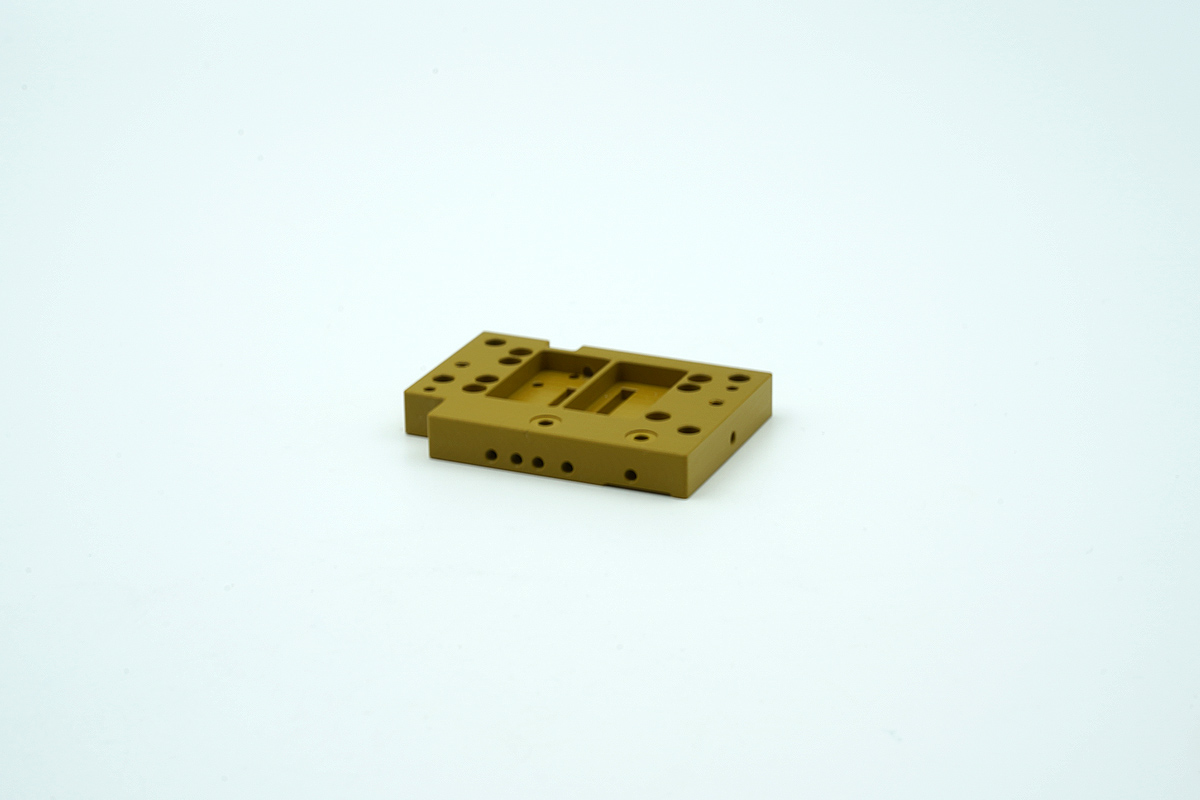
Polycarbonate is a durable and transparent thermoplastic with good electrical insulation, heat resistance, impact resistance, clarity, flame retardancy, and scratch resistance. Common applications include safety glasses, protective shields, electrical enclosures, connectors, and insulators. It is one of the most commonly utilized plastics in manufacturing.
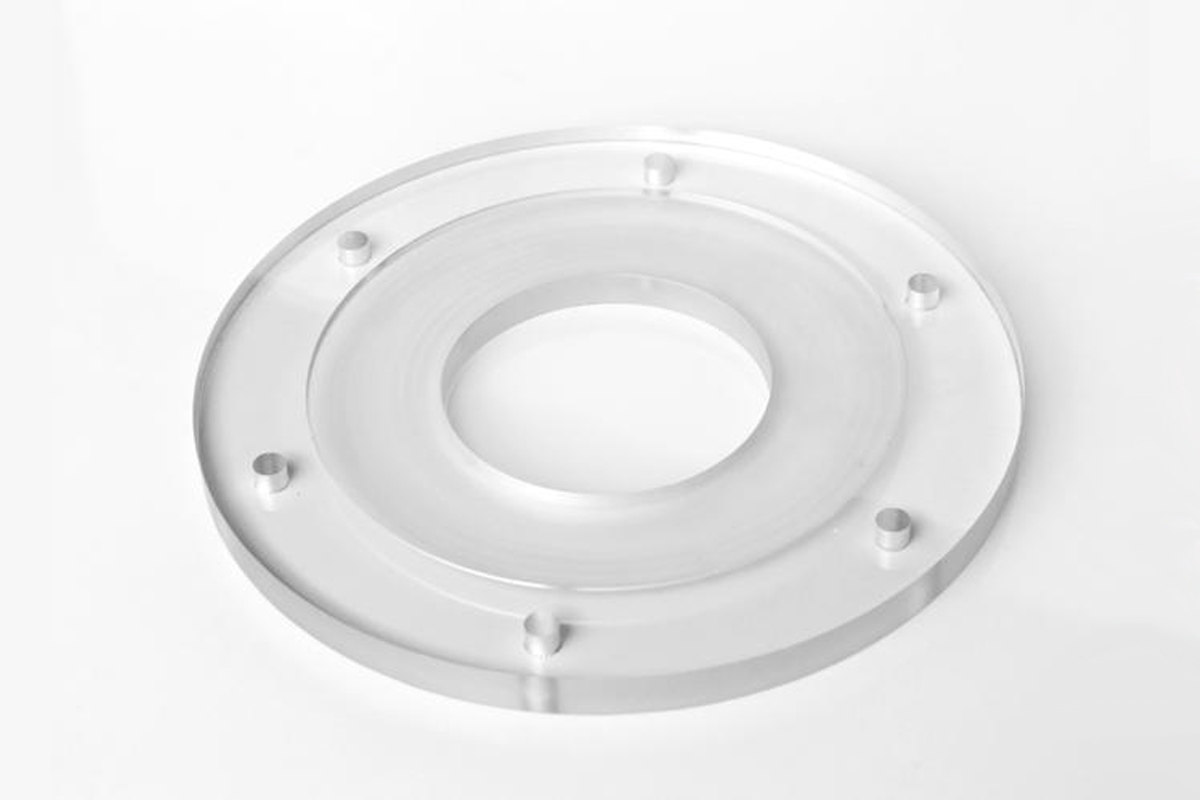
Polysulfone is a high-performance engineering thermoplastic known for its exceptional thermal stability, mechanical strength, and transparency. It maintains its properties over a wide temperature range (-100°C to +150°C) and exhibits excellent resistance to hydrolysis, making it ideal for applications requiring repeated steam sterilization or exposure to hot water. PSU's inherent flame retardancy and electrical insulation properties further expand its utility in demanding environments.
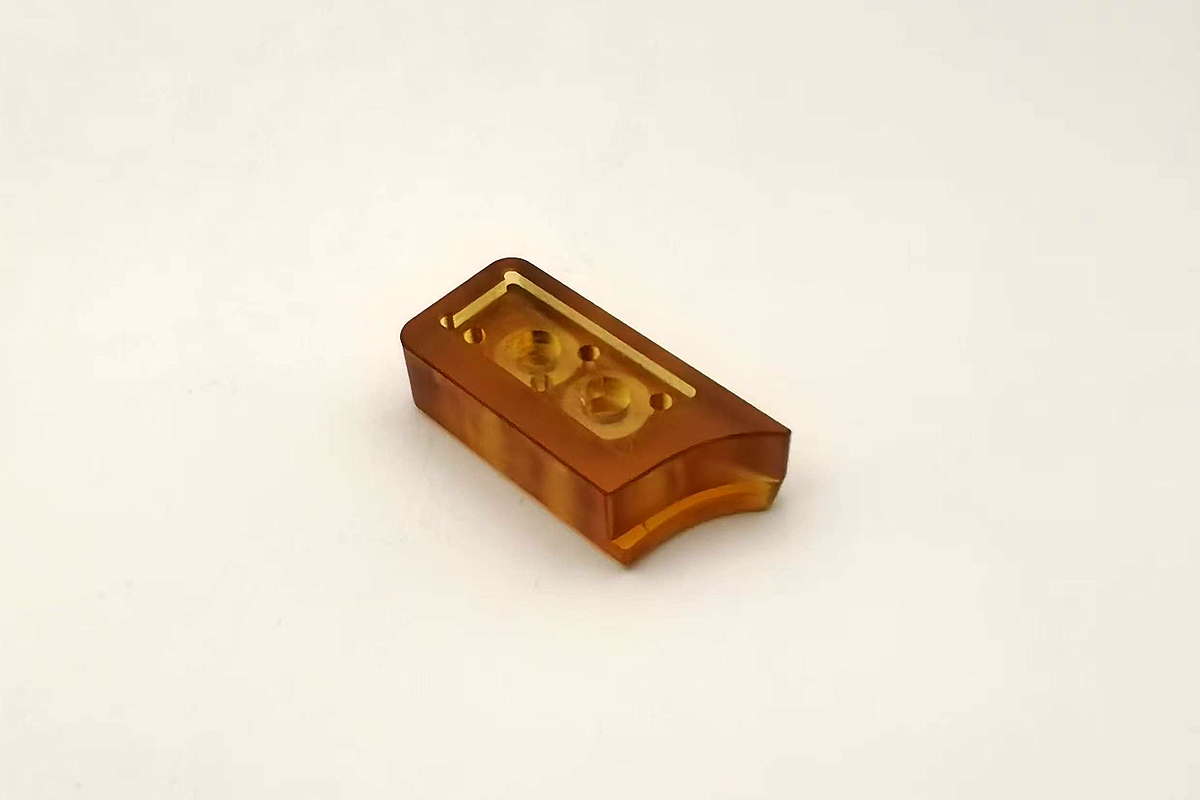
PVC (Polyvinyl chloride) is a plastic with high durability and versatility, excellent chemical and UV and corrosion resistance. Common applications include pipes, fittings, electrical enclosures, tubing, automotive interior, and commercial building components. It is cost-effective and lightweight, with a long lifespan.
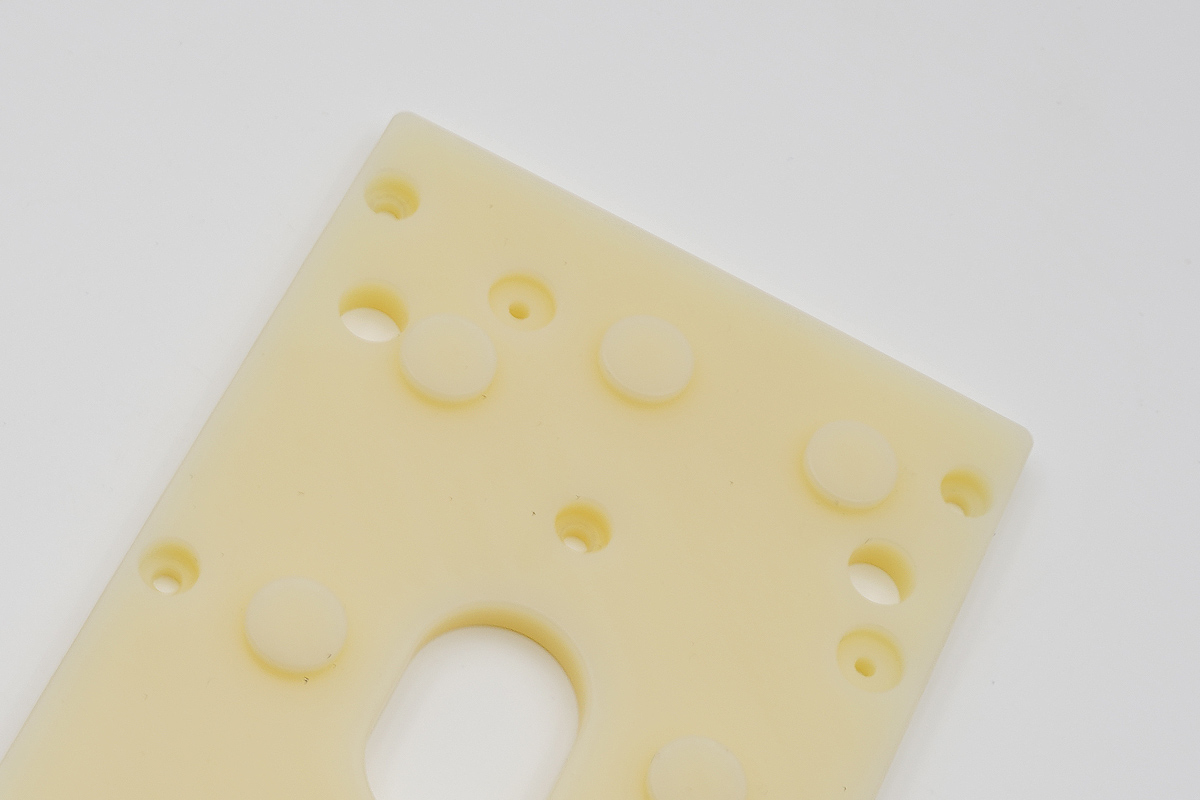
Polypropylene (PP) is a thermoplastic that has a high melting point, high strength-to-weight ratio, and excellent chemical resistance, durability, reliability, moisture resistance, and fatigue strength. Common applications include laboratory equipment, medical devices, food processing equipment, consumer goods, aircraft interior components, ducting, housings, automotive bumpers, fuel tanks, and battery cases.
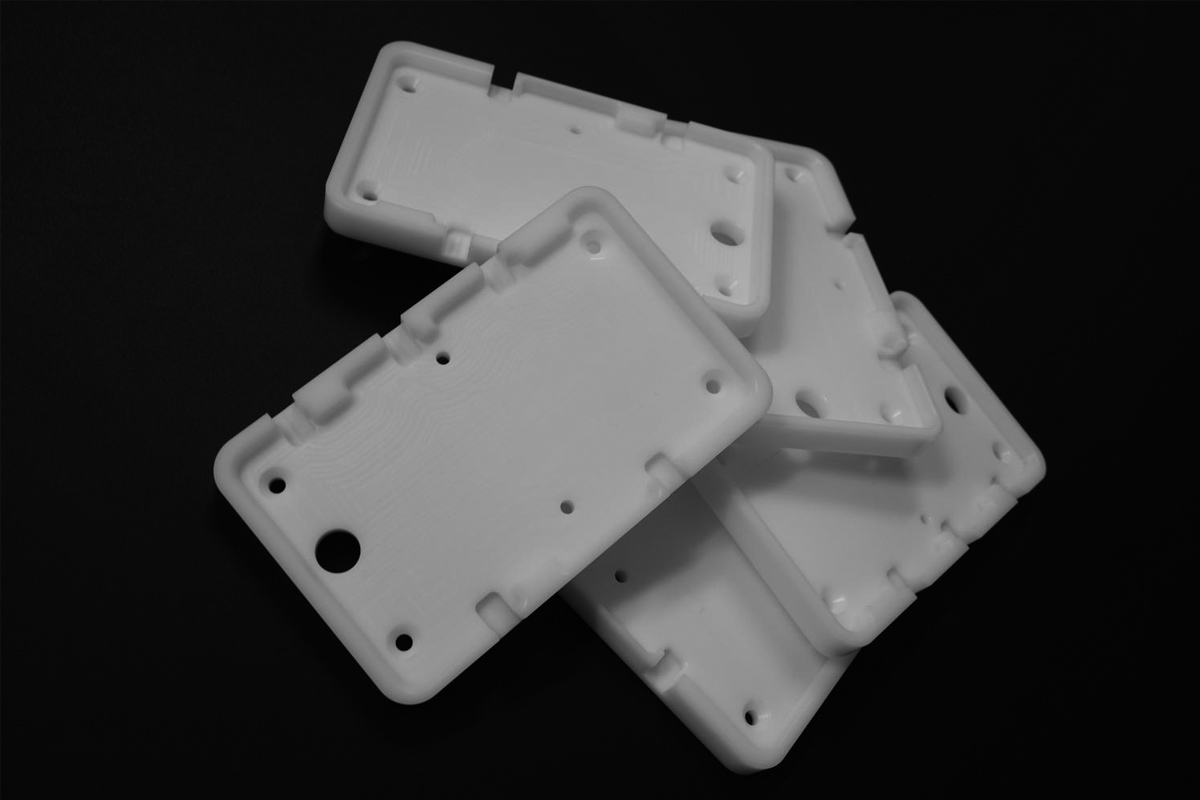
Polyetherimide (PEI) is a high-performance thermoplastic material known for its exceptional strength, thermal stability, and chemical resistance. It offers a unique combination of properties including high heat resistance, excellent mechanical strength, flame retardancy, and electrical insulation. These characteristics make PEI an ideal choice for applications where durability, lightweight design, and performance under extreme conditions are critical, such as aerospace components, medical devices, and electrical insulation.
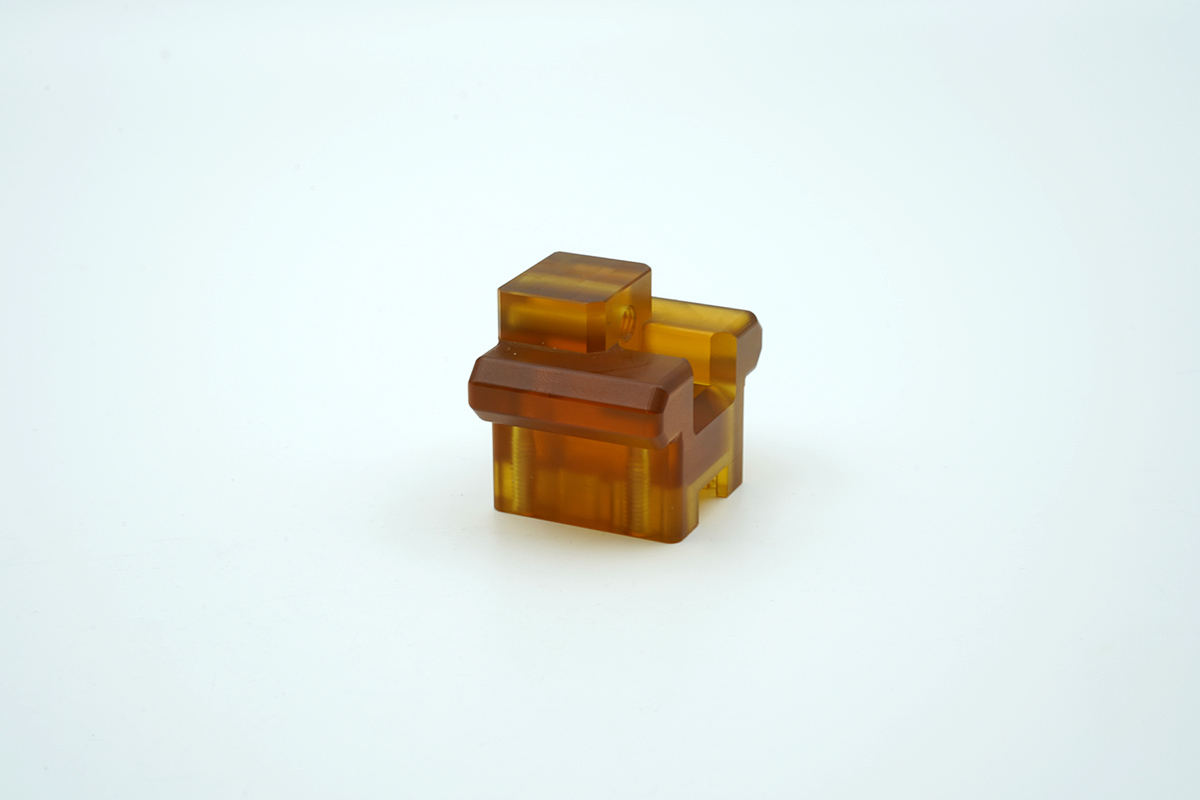
High-density polyethylene (HDPE) is a versatile thermoplastic known for its durability, chemical resistance, impact resistance, structural integrity, and low moisture absorption. It is commonly used in packaging, construction, and automotive manufacturing industries. Other applications include plugs and seals. It is also an excellent electrical insulator.
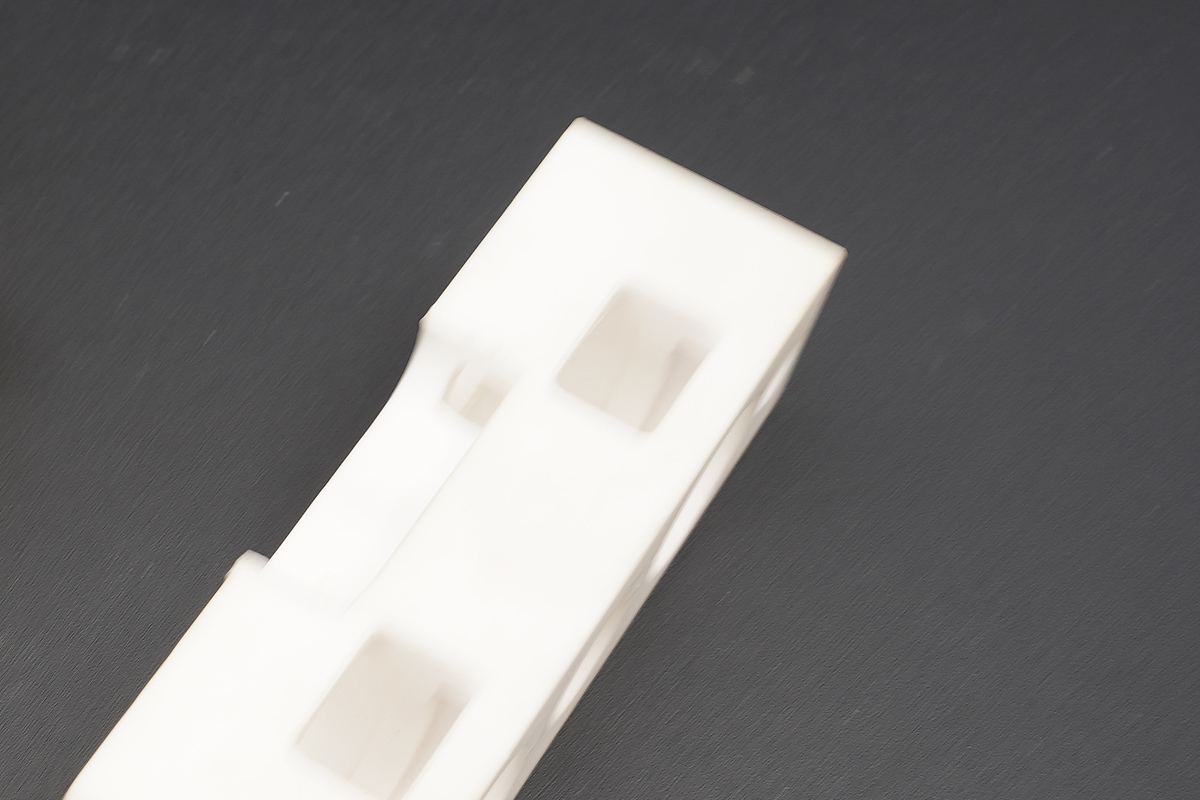
Polyimide is an advanced polymer material renowned for its extreme temperature resistance, outstanding mechanical properties, and excellent dielectric characteristics. It maintains exceptional performance across a wide temperature range from cryogenic to over 260°C, making it indispensable for demanding applications in aerospace, electronics, and industrial sectors.
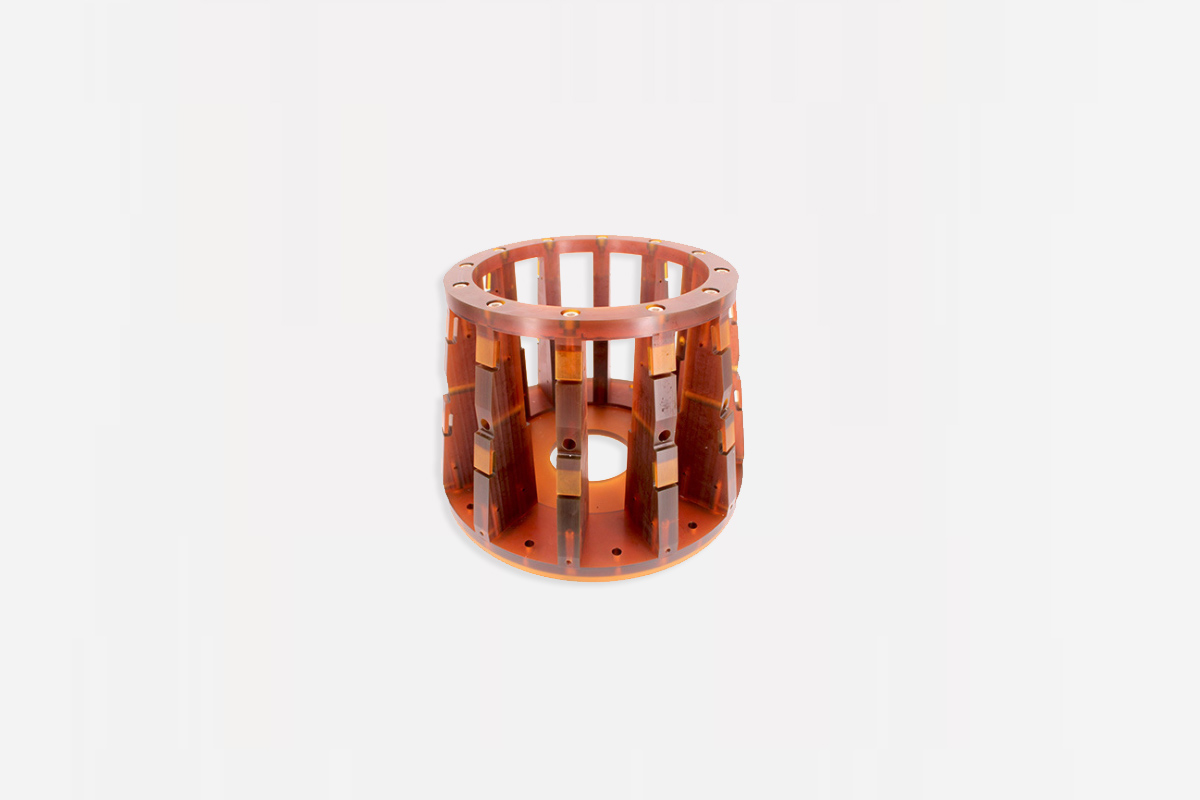
FR4 is a flame-retardant, glass-reinforced epoxy laminate material widely used in printed circuit boards (PCBs) and electrical insulation applications. It offers excellent mechanical strength, electrical insulation properties, and thermal stability, making it the industry standard for rigid PCB substrates.
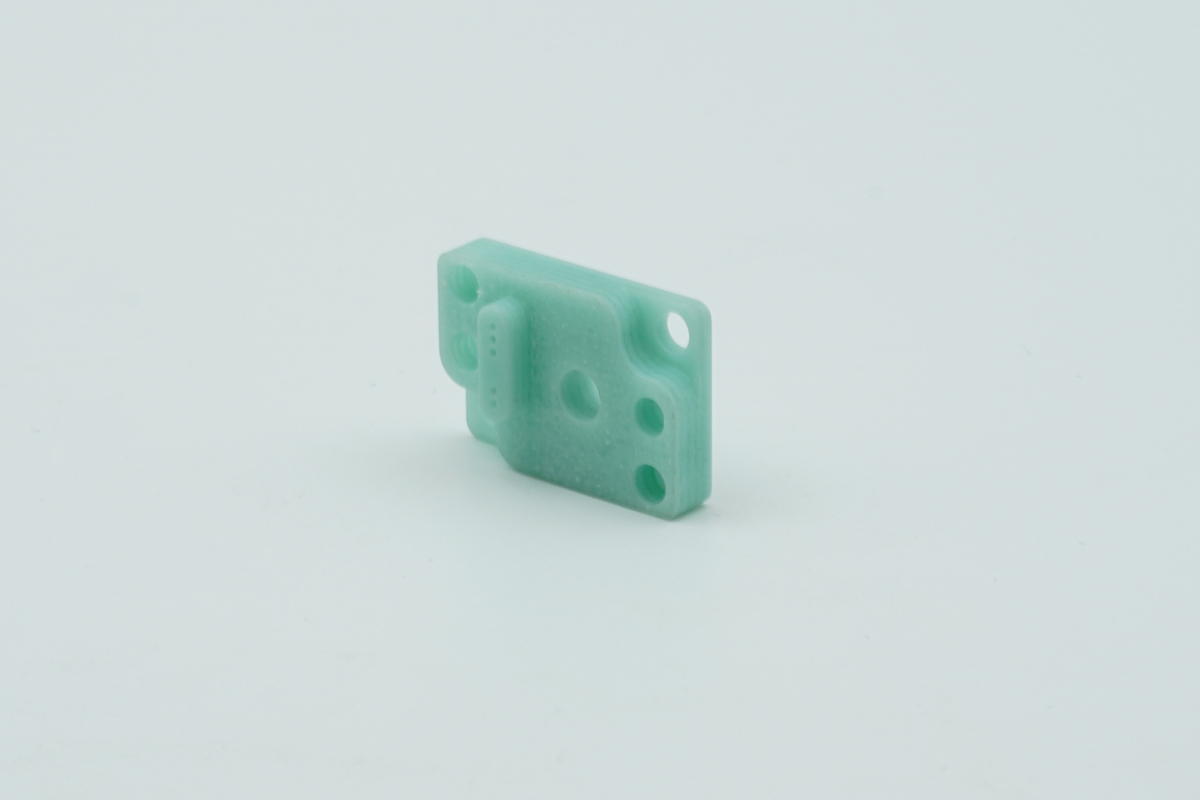
PPSU is a high-performance thermoplastic known for its exceptional thermal stability, chemical resistance, and mechanical strength. It maintains excellent properties in high-temperature and high-stress environments, making it ideal for demanding applications in medical, aerospace, and industrial fields.
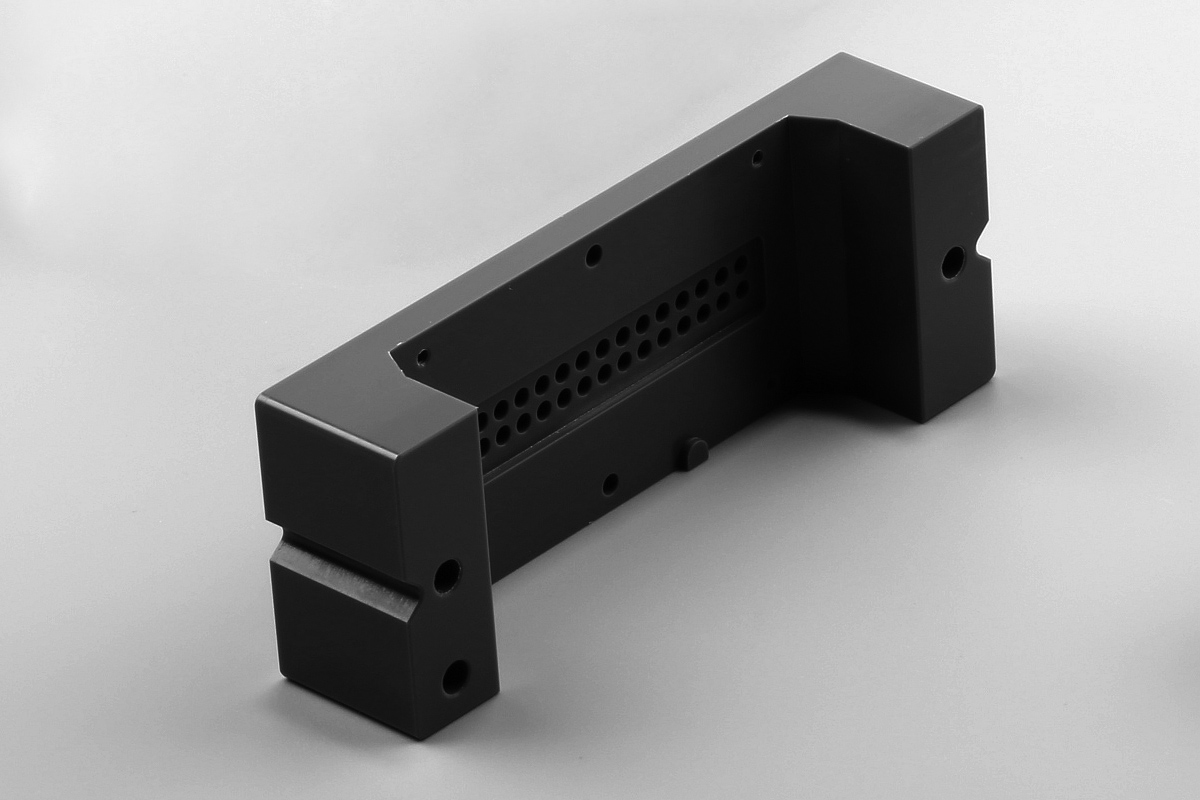
PET is a versatile thermoplastic polymer widely recognized for its excellent mechanical properties, chemical resistance, and clarity. It offers a unique combination of strength, dimensional stability, and recyclability, making it suitable for various applications across packaging, textiles, and engineering sectors.
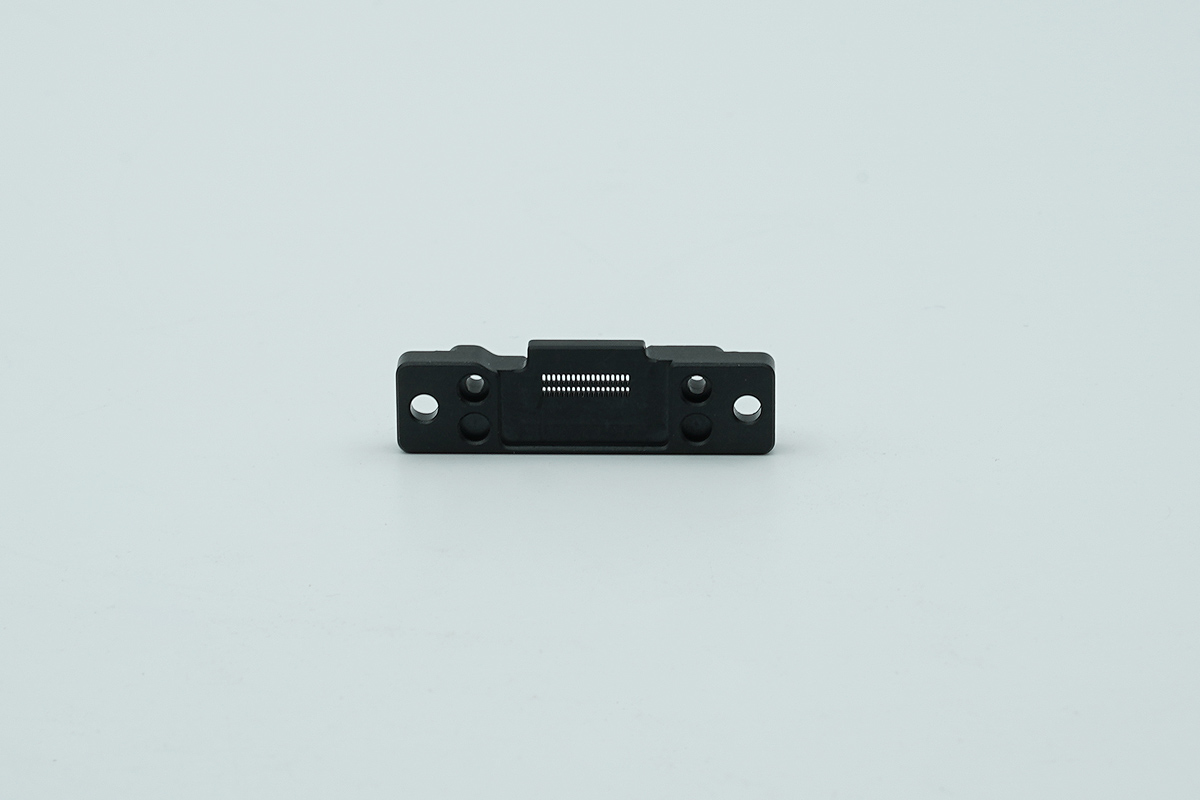
Polyurethane is an exceptionally versatile polymer available in various forms, including flexible foams, rigid foams, elastomers, and coatings. It is renowned for its wide range of hardness, excellent abrasion resistance, and outstanding elasticity, making it suitable for diverse industrial and consumer applications.
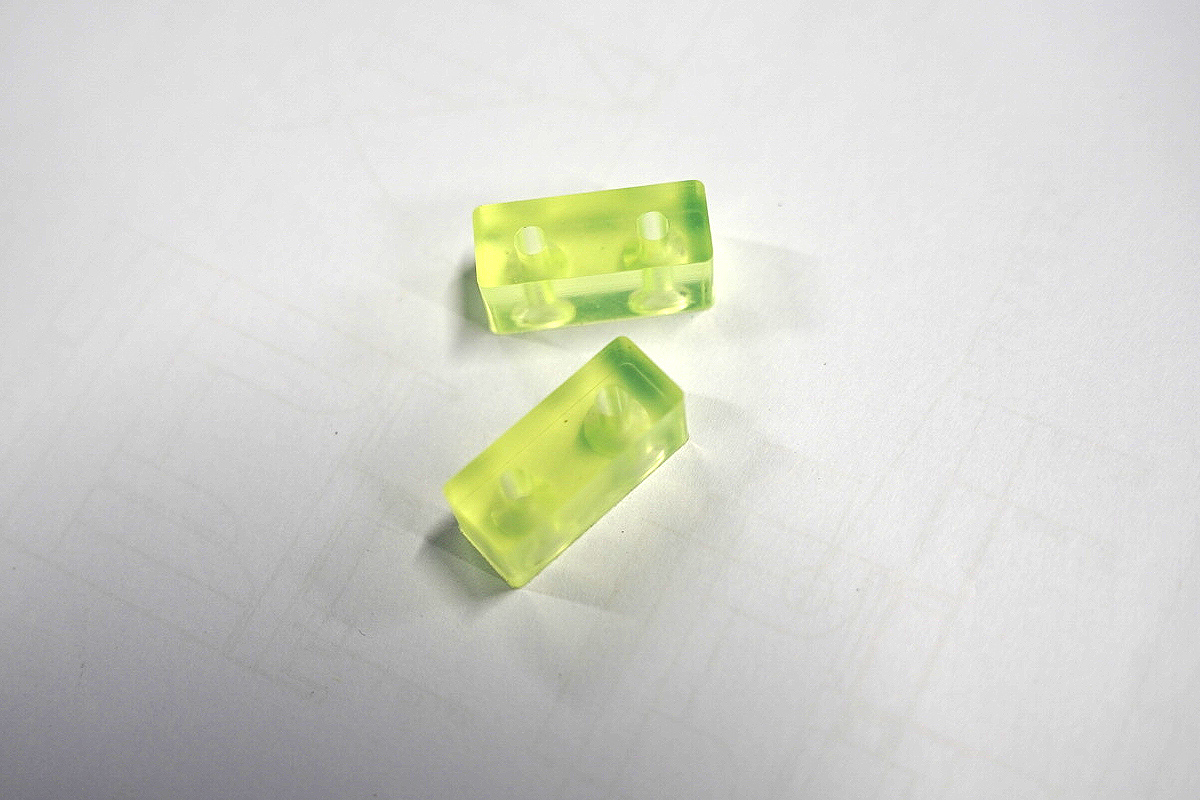
Igus specializes in high-performance, self-lubricating tribo polymers engineered for motion applications. These advanced materials significantly reduce friction and wear without external lubrication, making them ideal for dry-running and maintenance-free applications across industries.
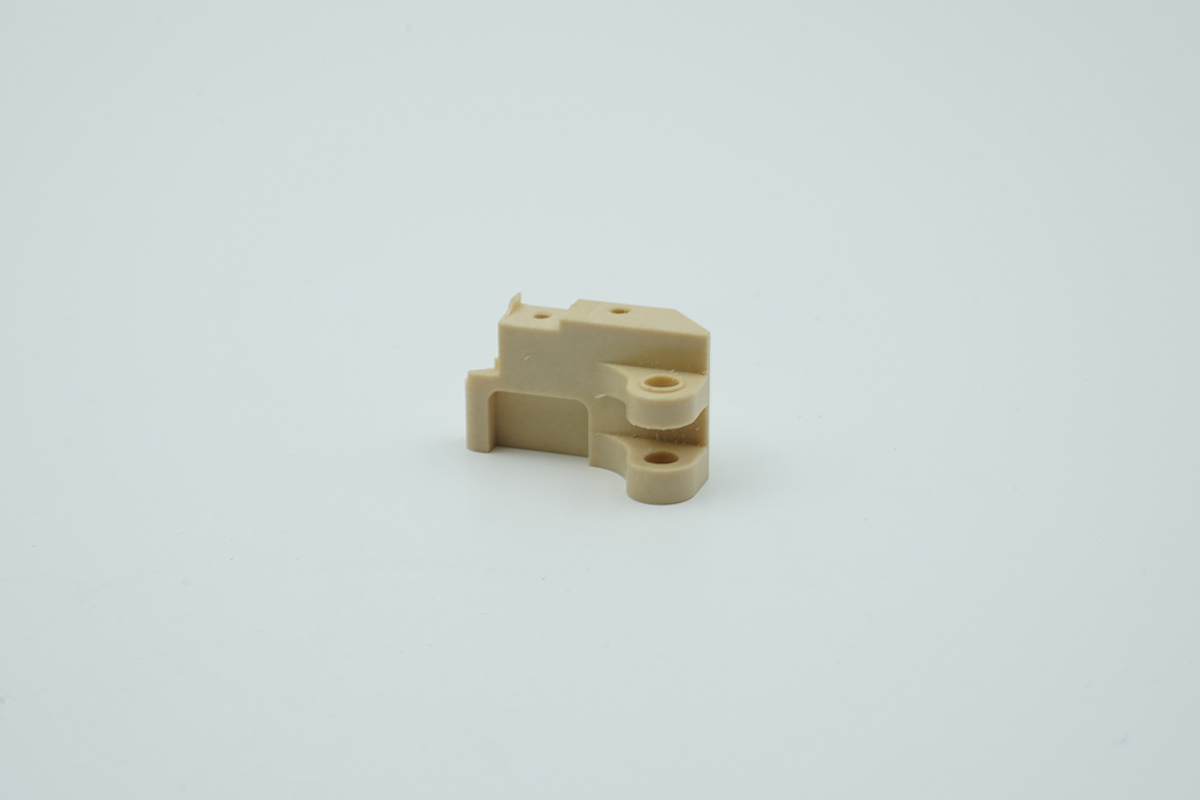

Ready to transform your CAD file into a custom part? Upload your design to get a free, precise quote.
Get an Instant CNC Quote WhatsApp Online